Softears has entered exciting new territory with the release of the SoftEars Edge, a flagship IEM that is part of their newly announced LS series, which stands for Lifestyle Listening.
The concept behind this series is straightforward yet ambitious: blend premium industrial design with genuine audiophile-grade sound. This is not just about how something sounds but equally about how it looks and feels as a product. And right from the first glance, the SoftEars Edge makes a strong impression.
Table of Contents
Design That Turns Heads
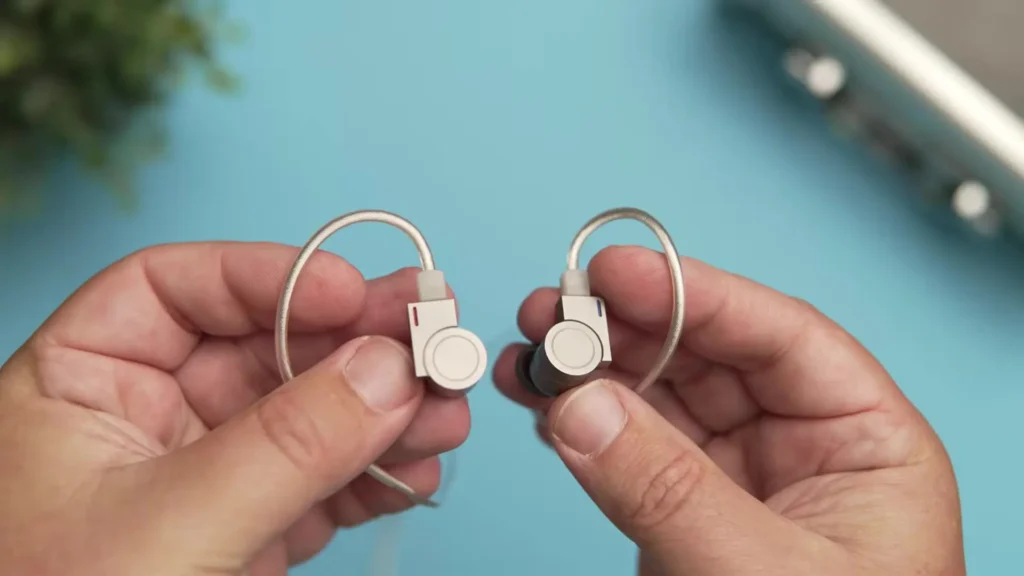
The SoftEars Edge is built with a titanium alloy housing that immediately communicates quality. The lines are clean, everything is squared off, and the overall aesthetic feels genuinely futuristic without being overdone.
It is not a bulky or oversized IEM by any means. The simplicity in its form is actually one of its strongest visual qualities. It looks expensive because it is designed to look that way, and there is real thought behind every element of its appearance.
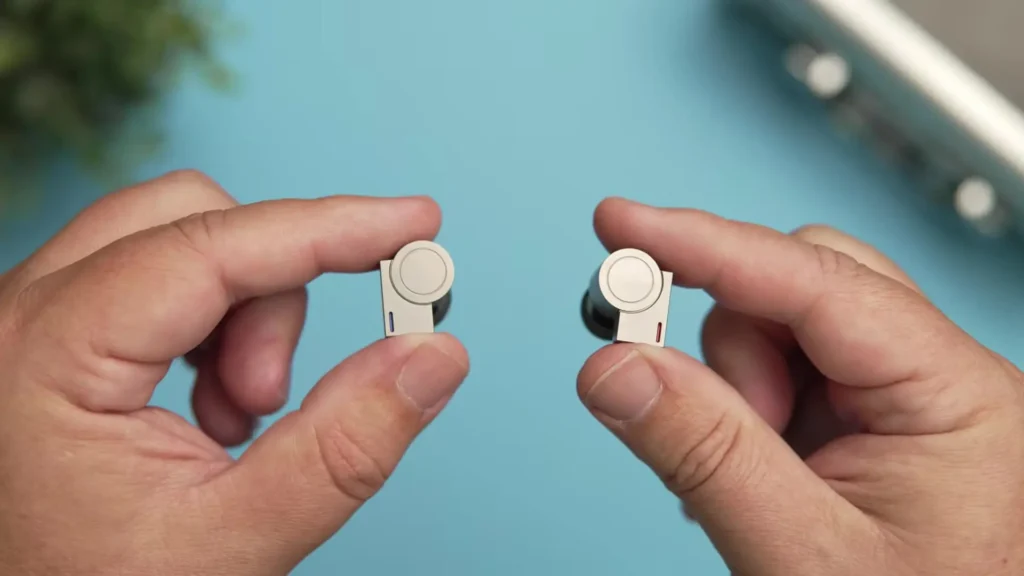
Beyond aesthetics, the design also plays a functional role in the sound. The acoustic structure of the housing, including the placement of ports across the shell, allows the IEM to breathe. This prevents the sound from feeling congested or muddy, which is especially important given that the SoftEars Edge relies on a single driver to handle everything.
Driver Configuration and Engineering
Rather than following the trend of using multiple drivers across different frequency ranges, the SoftEars Edge takes a more focused approach with a single 11mm high-performance dynamic driver.
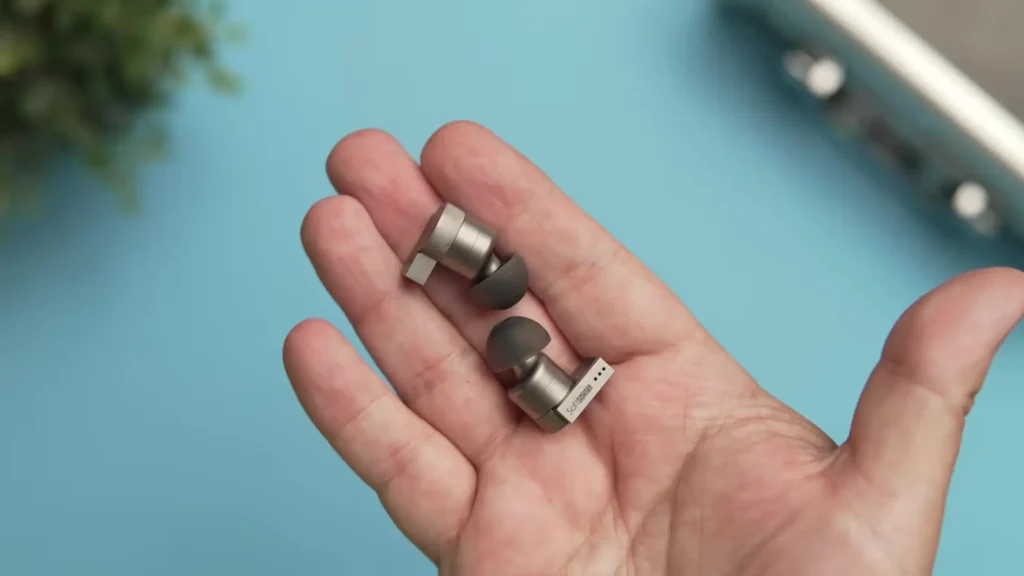
Many IEMs at this price point stack planar drivers, balanced armatures, and dynamic drivers together, dividing responsibilities across the frequency spectrum. Softears instead chose to engineer the acoustic structure itself to do much of that heavy lifting, and the results are genuinely impressive.
What Comes in the Box
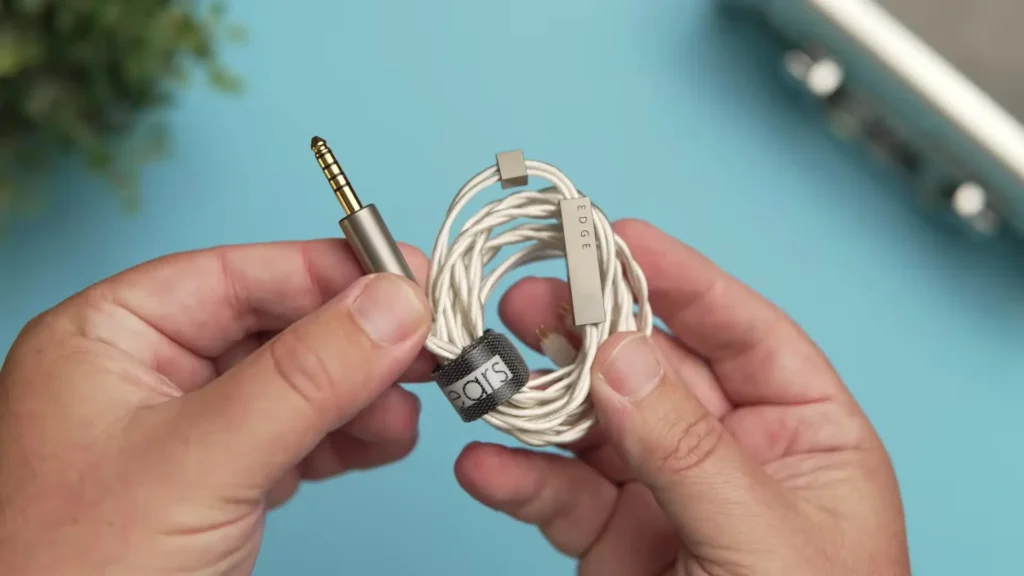
The packaging and accessories included with the SoftEars Edge reflect the premium nature of the product. The cable included is a dual-layer silver-plated cable using a two-pin connection, which is the most common standard found across IEMs today.
However, the termination is a 4.4mm balanced plug rather than the standard 3.5mm jack. There is no adapter included in the box, so users will need to already have a compatible balanced output on their device or source their own adapter. That said, the balanced connection is widely preferred among audiophiles, so it makes sense as the default choice here.
The accessories do not stop at the cable. The SoftEars Edge also comes with a nicely built pleather hard case that keeps the IEMs well protected. Two styles of silicone ear tips are included, and it is worth trying both because they each affect the sound in a noticeable way.
The more flexible tip has a grippy, sticky texture that is ideal for active use like gym sessions, as it keeps the IEM firmly in place. The stiffer tip offers a different feel and fit. A small drawstring pouch with two separate compartments is also included, designed to keep both sets of ear tips organized before storing everything together in the hard case. It is a thoughtful system that keeps things tidy and convenient.
Also Read: Status GoldenSound Pro X Review
Powering the SoftEars Edge
With an impedance of just 16 ohms and a sensitivity of 128 decibels, the SoftEars Edge is very easy to drive. You can get decent volume straight from a phone or laptop without any additional equipment.
However, at a $500 price point, most buyers will likely want to pair these with a dedicated amplifier or DAC. Doing so gives more control over the low end, mids, and highs, and generally allows the IEM to perform at a higher level than plugging directly into a consumer device.
Sound Quality
Spending time with the SoftEars Edge was a genuinely enjoyable experience, and the performance from a single dynamic driver was better than expected. Sound separation, which is often one of the strongest arguments for multi-driver setups, still felt well-defined here. Different elements in a track were easy to distinguish, and this likely comes back to the acoustic design and porting doing their job effectively.
The SoftEars Edge is not a flat or reference-style IEM. It is bold and dynamic, which makes it a great fit for everyday listening across a wide range of music genres.
The low end has real punch to it and sub-bass is pulled out with authority, but it does not bleed into the mids or slow things down. The bass stays controlled and fast, keeping up well with rapid percussion and complex rhythmic passages.
The midrange has a live, natural quality to it. Vocals, both male and female, come through cleanly without feeling pushed forward aggressively or buried in the mix. Guitars in particular have a smooth, natural presentation. The overall character of the mids was more neutral than expected, avoiding the warm, coloured sound that the design might suggest at first glance.
Treble is bright and sharp, adding plenty of energy and detail without crossing into harsh or sibilant territory. There were no uncomfortable moments with sharp “s” sounds or overly bright passages. The combined character of the bass and treble gives the SoftEars Edge something close to a V-shaped tuning, but executed in a way that remains fun, engaging, and well-balanced across genres.
Soundstage and imaging were two standout qualities. The sense of space in these IEMs is generous. Listening felt like being in a large, open room, and pinpointing where individual sounds were placed in that space was never a challenge.
Testing these with gaming content, including Resident Evil, highlighted just how effective the imaging and sense of environment can be, with subtle ambient sounds coming through clearly and adding to the overall experience.
Specifications Table
| Specification | Details |
|---|---|
| Model | SoftEars Edge |
| Series | LS Series (Lifestyle Listening) |
| Driver Type | Single 11mm High-Performance Dynamic Driver |
| Housing Material | Titanium Alloy |
| Impedance | 16 Ohms |
| Sensitivity | 128 dB |
| Cable Type | Dual-Layer Silver-Plated Cable |
| Connector Type | Two-Pin |
| Plug Type | 4.4mm Balanced |
| Ear Tips | Two Styles of Silicone Ear Tips |
| Case | Pleather Hard Case |
| Accessories | Drawstring Ear Tip Pouch |
| Price | $500 |
Final Thoughts on the SoftEars Edge
At $500, the SoftEars Edge is going to give some buyers pause, and that is understandable. There are excellent IEMs available for under $200 that do specific things really well, whether that is bass performance or treble clarity.
But what the SoftEars Edge offers is a well-rounded package that balances sound quality with a design that genuinely stands out. The look, the build, and the acoustic performance all come together in a way that justifies the price for the right buyer.
Read More: OpenRock S2 Earbuds Review